
The key point
Agree what the sample represents, compare it with the approved specification, and record required changes in one clear review before production approval.
A sample is easier to review when you know the decision it is meant to support. A fabric swatch, a size sample and a fully decorated prototype answer different questions. Before requesting one, identify the uncertainty you need to resolve.
Agree what the sample will show
Ask which materials, colors, size and decoration will be included. If a substitution is being used for the sample, record it and identify what still needs separate approval. Also confirm sample cost, timing and the next step after feedback.
A size sample in another color may help you assess fit. It cannot confirm the final color combination. A decorated panel may show lettering or crystal placement without establishing how the garment moves. Do not treat an approval of one feature as approval of every other feature.
Compare the garment with the design record
- Check the front and back against the agreed design version.
- Confirm spelling, logo version and placement.
- Compare colors with the agreed physical reference where one exists.
- Check coverage, lining and the placement of mesh or cutouts.
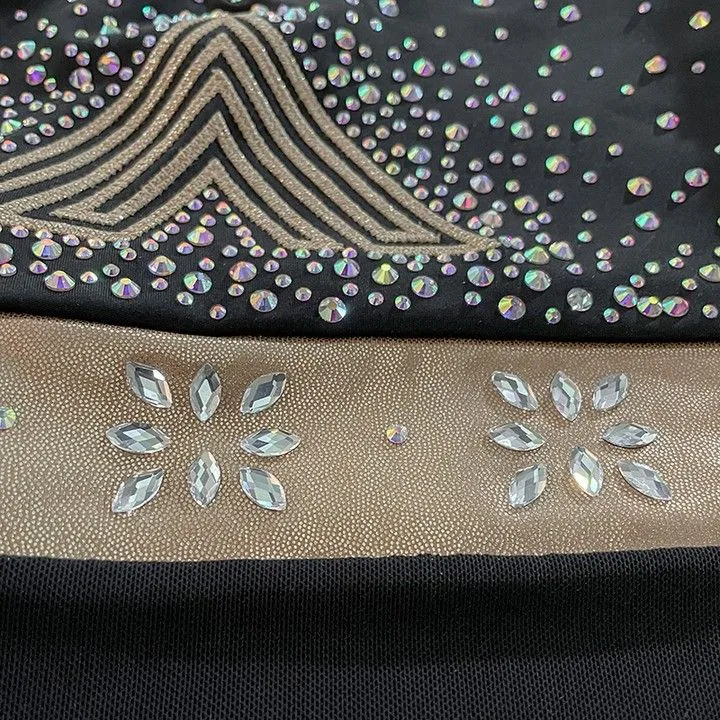
- Review the decoration layout both close up and from a distance.
Photograph the front, back and any disputed area. If a difference is intentional, ask for it to be recorded in the specification. The design brief guide explains which references are useful to keep.
Look at fit and construction together
Record the sample size and the wearer’s measurements. Check how the garment sits with the intended undergarments and review relevant movements with the coach. Note areas that pull, shift or feel uncomfortable. A sample that fits one athlete does not establish fit for every size in the order.
Look inside as well as outside: check seams, lining edges, closures and the back of decorated areas. Identify visible snags, unfinished areas or attachments that need review. These checks can reveal concerns, but they do not replace laboratory testing or establish long-term durability.
Send feedback that can be acted on
| Vague feedback | More useful feedback |
|---|---|
| The logo looks wrong. | The lettering differs from approved file B; see the marked front photo. |
| The top is uncomfortable. | The wearer reports pulling at the underarm with arms raised; sample size and measurements attached. |
| The colors do not match. | Please compare the navy panel with the agreed swatch reference in the order record. |
| Please fix the skirt. | Please review the marked hem area in the photo and confirm the proposed change. |
These are example comments, not customer case studies. Use the same principle for your review: identify the location, describe the observation and state the decision needed.
Close the review with an explicit decision
Separate items that are approved from changes that remain open. Ask whether revisions need another sample, a material reference or a revised drawing. Keep the final decision attached to a specific version so production has one reference.
Before proceeding, reconcile the sample decision with the order checklist, including sizes, quantity and delivery requirements. For your project, discuss sample options and explain what you need the sample to confirm.
The result of a sample review should be a clear decision and a traceable list of changes.
Your next step
Discuss your sample requirements
Tell us what you are planning, the pieces and quantities you need, and your required arrival date.
Start a conversation See how ordering works