
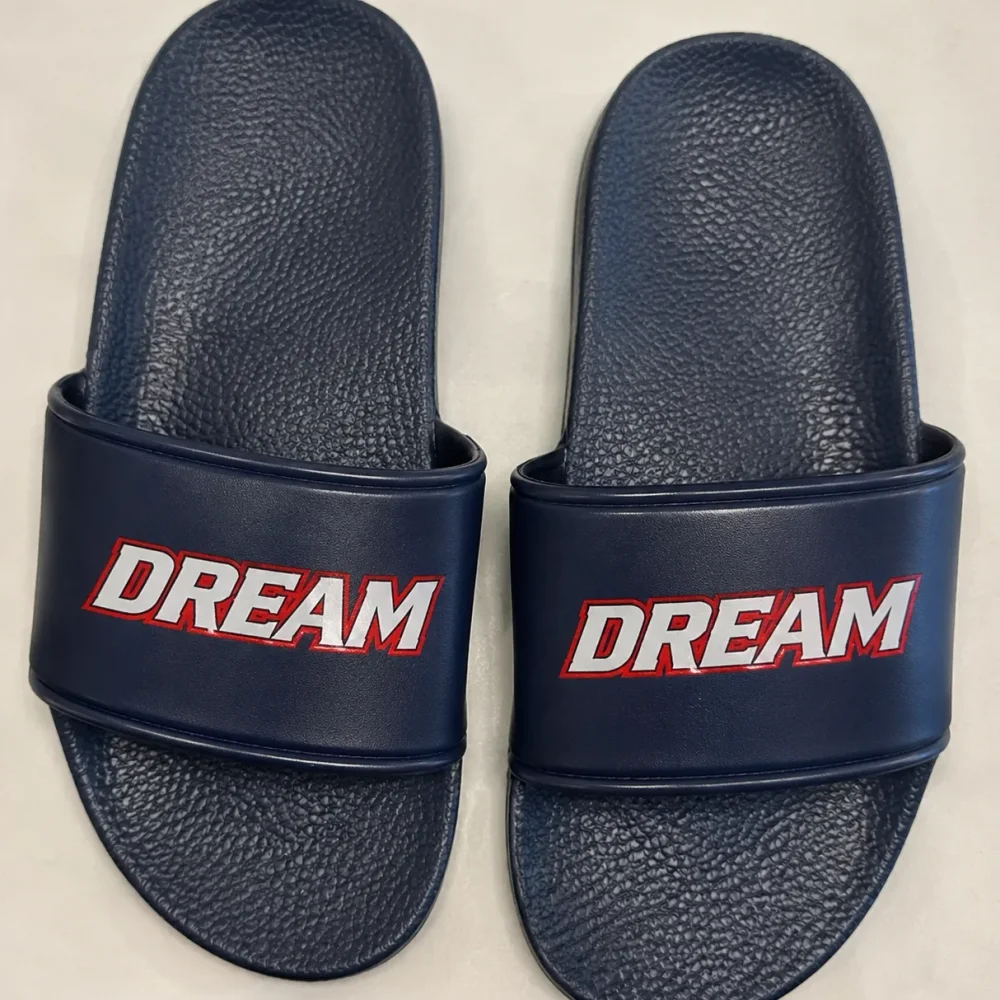
The key point
Choose accessories by their purpose, then coordinate the artwork. Make required and optional items clear before you collect quantities or discuss a quote.
A matching bag or cap can make a team kit easier to recognize. It can also add another product, size choice and cost to manage. Decide what each item is for before turning a uniform order into a larger merchandise order.
Give each accessory a job
A bag may be used to carry practice clothing and shoes. A team tee may be for travel, supporters or warm-ups. A cap may be an optional team item rather than part of the performance kit. Write down the intended use and who needs it.
Look at dimensions, closures and practical details for the actual product. A photograph does not confirm pocket arrangements, capacity or weather resistance. Ask for the information that matters to your team instead of assuming those features are included.
Adapt the logo to the product
A uniform’s chest graphic may need a different layout on a small cap panel or bag. Ask how lettering, fine lines and small details will reproduce using the proposed decoration method. Review a mock-up with placement and dimensions, then discuss a physical sample where the result is uncertain.
Keep the spelling, logo version and color references consistent. Different materials and decoration methods may not produce an identical-looking shade. If matching matters, compare physical references and agree what is acceptable before the order is placed.
Build a kit list before collecting orders
| Item | Decision to record |
|---|---|
| Team bag | Model, dimensions, logo position and whether names or numbers are needed. |
| Cap | Style, fit or adjustment details, artwork area and quantity. |
| Team tee | Intended wearer, fit, size range and front or back graphics. |
| Extra warm-up piece | Whether it belongs in the required kit and how it fits over existing clothing. |
These are planning categories. Confirm the available products and customization options with your supplier. The teamwear and accessories in the lookbook can provide starting references.
Separate required kit from optional merchandise
Publish a clear list for athletes and families: the required items, optional extras and what each option includes. Collect sizes only for products that need them. Keep personalized text in a separate column and ask the buyer to check spelling before approval.
When comparing costs, ask about minimum quantities for each product and design variation. A total of several different items may not be treated as one order quantity. Also ask whether separate products are expected to arrive together.
Make the next order easier
Keep the approved artwork and product references with your uniform order record. Confirm how replacement or new-member orders would work, including any minimums and changes in availability.
If you are coordinating accessories with a new practice kit, read the practice wear planning guide first. Then send your proposed item list so the products and quantities can be discussed together.
A coordinated kit begins with a clear item list and artwork that suits each product.
Your next step
Discuss your teamwear list
Tell us what you are planning, the pieces and quantities you need, and your required arrival date.
Start a conversation See how ordering works