
The key point
Compare quotes against the same specification and included costs. A low unit price is only useful when you know which garments, decoration and services it covers.
A team buyer may need one complete set for every athlete. A brand or distributor may need several styles, size runs and packaging requirements. Both can ask for a wholesale quote, but those briefs describe very different orders. Start by making your scope clear.
Define what one set includes
List each garment and accessory. Does the quoted set mean a top and skirt, a top and shorts, or additional pieces? State the intended fabric, lining, logo treatment and decoration level where known. If a detail is undecided, ask for clearly labeled alternatives.
Share your target quantity by style and color, not just the total number of pieces. Ask how minimums apply to each variation and whether youth and adult sizes are treated differently. For brand or distributor enquiries, identify any labeling and packaging requirements and ask whether they can be accommodated.
Put each quote on the same basis
| Quote item | What to clarify |
|---|---|
| Unit price | Currency, included garments, sizes and decoration specification. |
| Design and samples | Which services are included, which are charged and whether revisions affect cost. |
| Shipping | Destination, shipping method, included charges and who handles any import costs. |
| Order changes | How changes to quantity, design or size affect the agreed price and timing. |
| Repeat orders | Minimums, material availability and whether the original price still applies. |
Use these questions to compare scope before comparing totals. Do not assume that two similar-looking uniform drawings represent the same materials or construction.
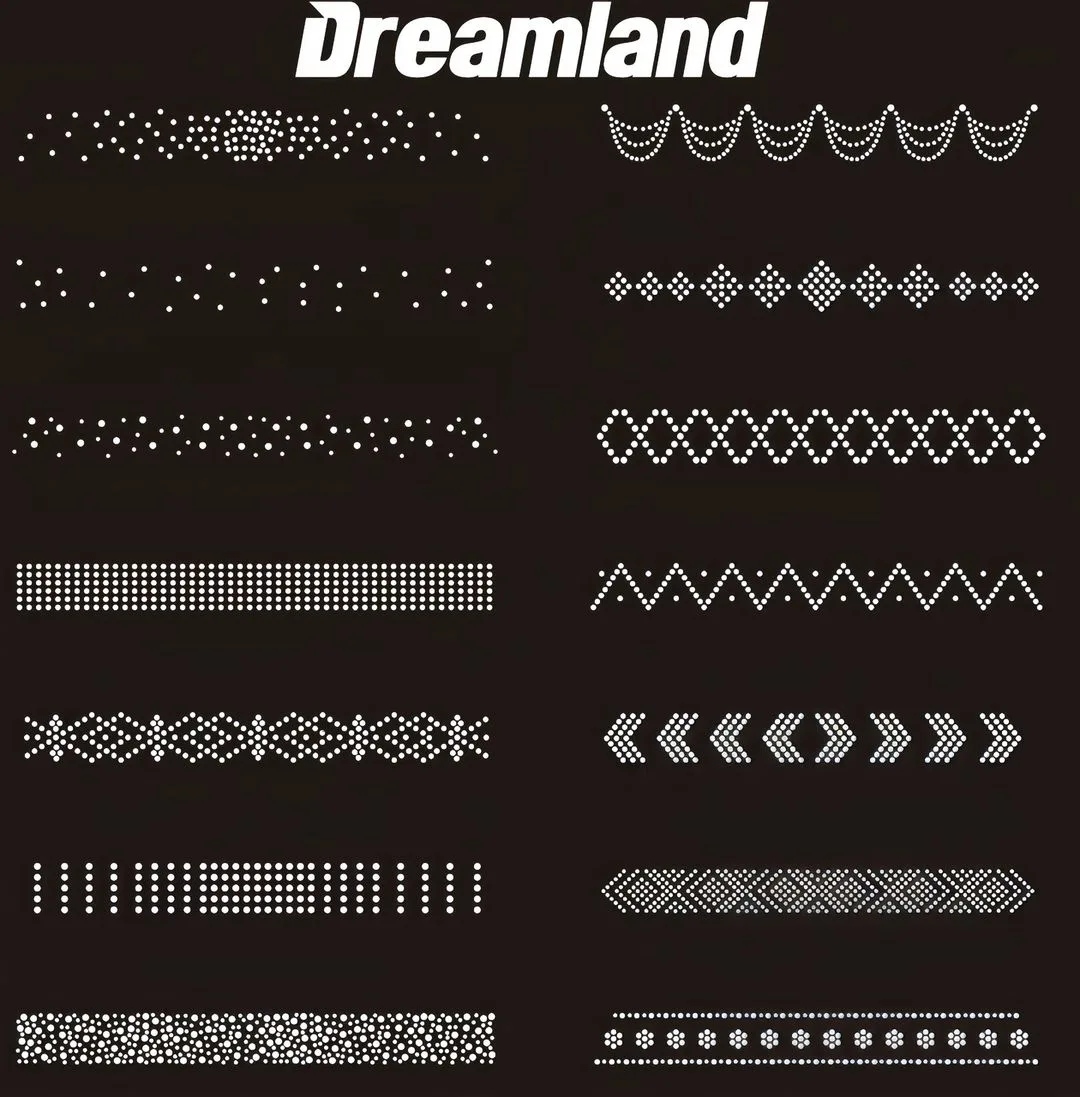
If your team has a fixed budget per athlete, ask CheerDreamland to quote the same set with two decoration options. A sublimated design can keep the team colors and graphics prominent. A second option can concentrate rhinestones around key details such as the team name. Ask what each option includes and how much it changes the per-set price.
Use the sample to settle expensive uncertainties
A sample is most useful when it answers a question that could affect the full order. Examples include whether lettering is readable, how a lining changes coverage, or whether the chosen fabric works with the decoration.
Ask what the sample will represent. A size sample in a different design can help with fit but may not confirm your chosen finish. A decorated panel can help with appearance but cannot confirm the fit of a complete garment. Use the sample review guide to record exactly what has been checked.
Discuss the first order and the next one
Provide the delivery destination and required arrival date. Ask for a schedule that includes design decisions, sample review, production and shipping. If the order is for resale, allow time to receive and check it before making commitments to your own customers.
Think about replenishment while the first order is being discussed. A small follow-up order may have different pricing or timing. Ask how the supplier records approved materials and artwork, and how substitutions will be communicated if an original material becomes unavailable.
Send a brief that makes a quote possible
For a CheerDreamland enquiry, include your product types, style references, quantity by design, destination and required date. Add your working budget and explain whether it includes shipping. Include any sample, labeling or packing questions rather than assuming they are part of the base price.
Request a quote with those details, or read the company introduction before discussing a manufacturing enquiry. Prices, minimums and delivery terms should be confirmed for the actual order.
The best comparison is between complete, clearly defined offers.
Your next step
Request a wholesale quote
Tell us what you are planning, the pieces and quantities you need, and your required arrival date.
Start a conversation See how ordering works